

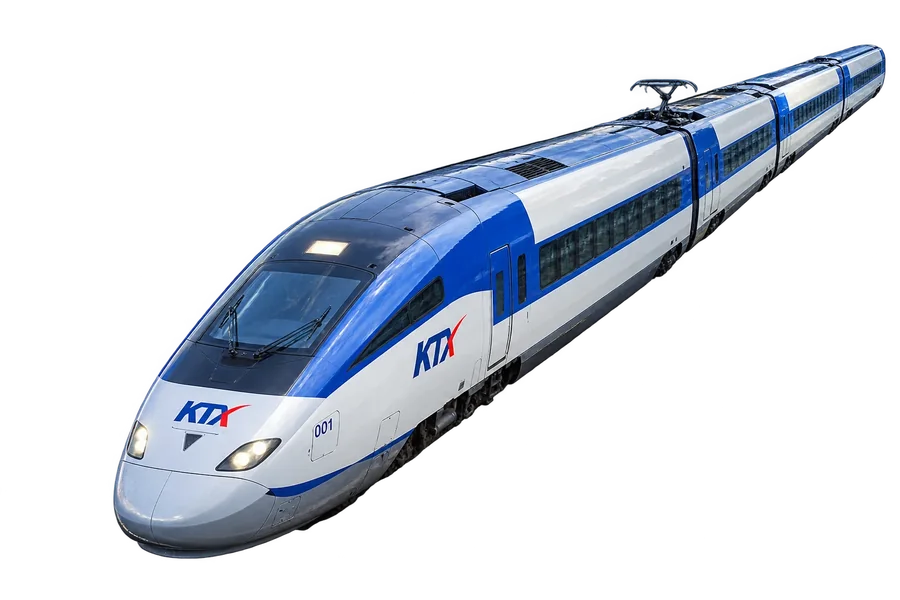
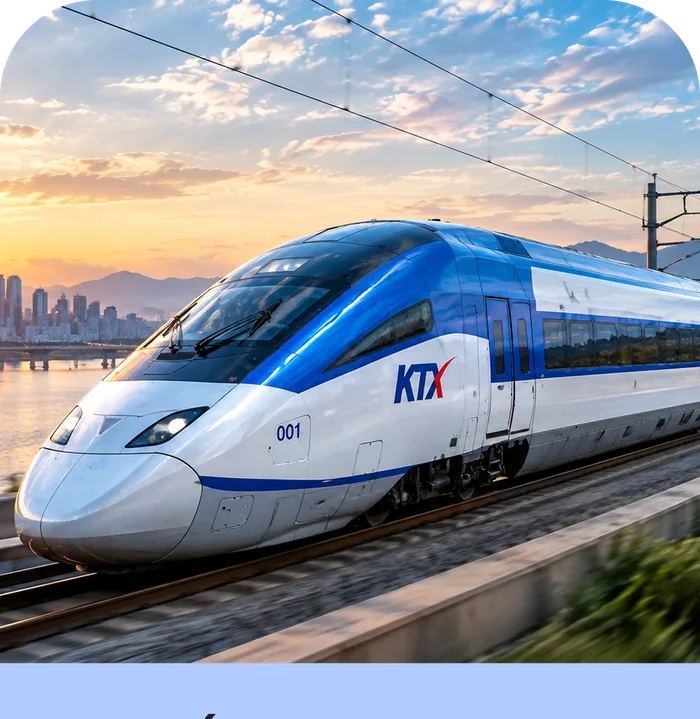
KTX (Korea Train eXpress)
The main high-speed rail service, with over 69 daily departures from Seoul.
Traveling between Seoul and Busan is one of the most popular routes in South Korea, and the train remains the most convenient transportation mode for covering the 417 kilometers between the two cities. Whether you're planning a business trip or exploring the country for the first time, understanding your options — KTX, SRT, regular trains, and buses — will help you book the right tickets for your travel date.
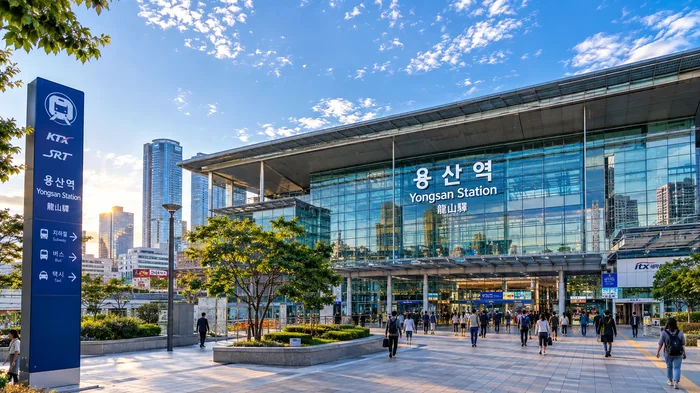
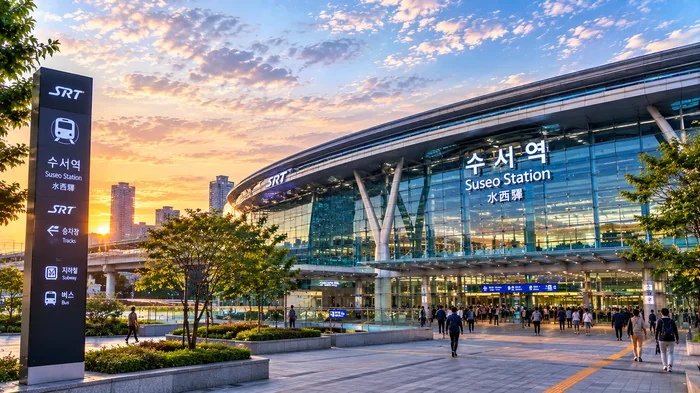
The Seoul–Busan train route runs along Korea's main high-speed rail corridor, linking Seoul in the north to Busan on the southeastern coast. Trains depart from three main stations depending on the operator:
At the other end of the journey, trains arrive at Busan Station, centrally located and well-connected to the rest of the city.

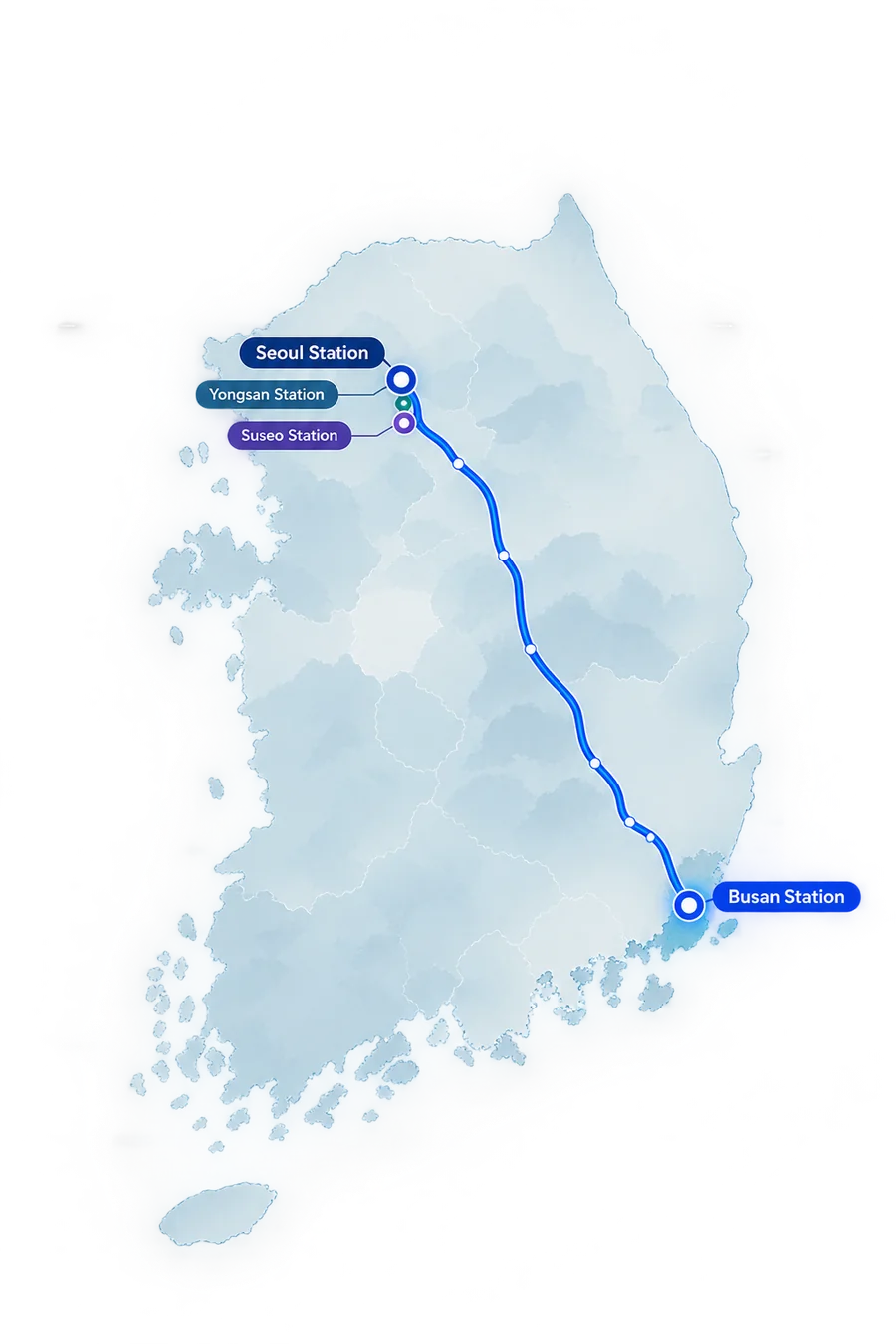
South Korea offers several ways to travel from Seoul to Busan, but high-speed rail is by far the fastest and most comfortable choice for most travelers.
The main high-speed rail service, with over 69 daily departures from Seoul.
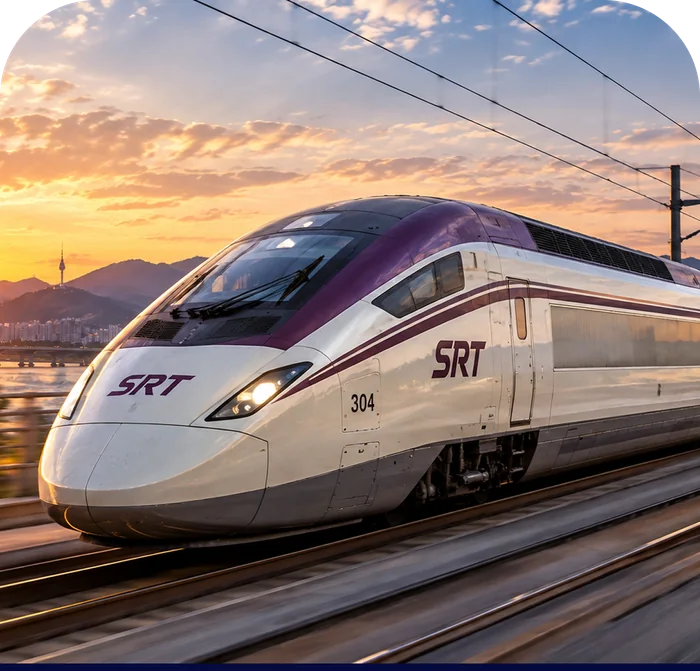
A high-speed alternative to KTX, departing from Suseo Station.
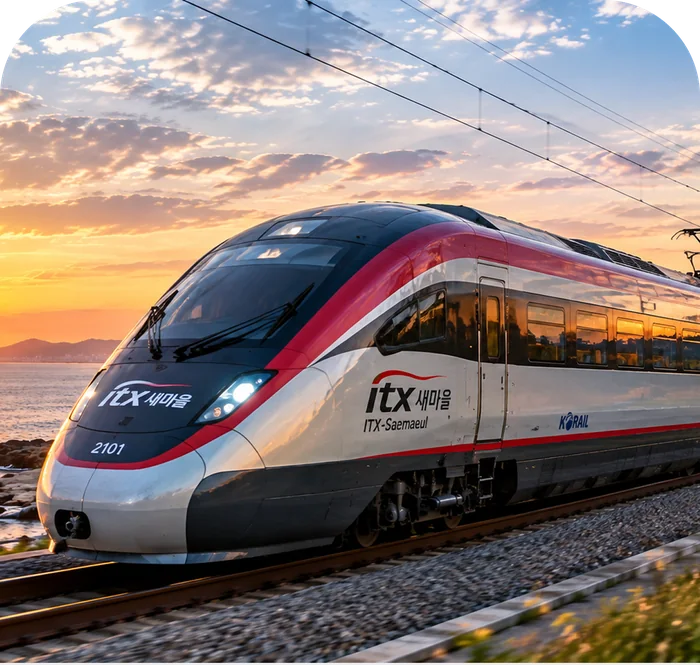
ITX-Saemaul and Mugunghwa — slower, but budget-friendly.
KTX high-speed trains are the backbone of the Seoul–Busan route. These trains reach operational speeds of up to 305 km/h, making the fastest non-stop KTX trip just 2 hours 10 minutes. Depending on the specific service and number of intermediate stops, KTX journey times range from about 2 hours 15 minutes to 3 hours.
Over 69 daily departures connect Seoul and Busan
The earliest KTX train departs at 05:13
The latest KTX train departs at 22:40
KTX trains primarily depart from Seoul Station or Yongsan Station
If you include every train type — KTX, SRT, ITX-Saemaul, and Mugunghwa — total journey time from Seoul to Busan can range anywhere from 2 hours 10 minutes to 5 hours 52 minutes.

KTX ticket prices vary depending on the class of service and how far in advance you book:
Discounted and off-peak KTX fares often start in this range
KTX standard-class tickets typically range from $34 to $79
Costs more but includes extra legroom and quieter cabins
For the best rates and seat availability, book KTX tickets online up to one year in advance. Same-day tickets are limited for popular departures, especially on weekends and holidays, so booking ahead is strongly recommended for high-speed travel during peak times.
Book TicketsSRT is a high-speed alternative to KTX, departing from Suseo Station rather than Seoul Station. SRT trains take approximately 2 hours 10 minutes to 2 hours 30 minutes to reach Busan and offer amenities comparable to KTX, including comfortable seating, power outlets, and Wi-Fi.
If you're not in a rush, regular trains offer a more budget-friendly way to travel:
Whichever high-speed train you choose, KTX and SRT both offer:
KTX (Korea Train eXpress)
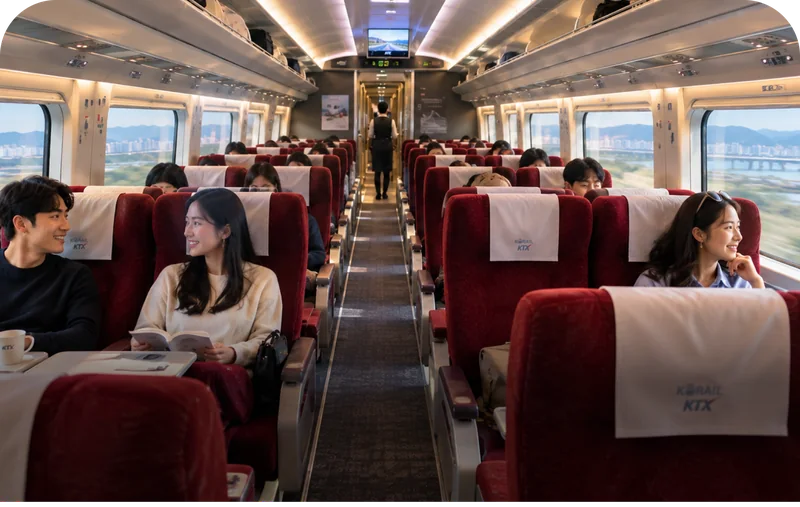
Wider seats, extra legroom, quieter cabin, complimentary amenities on select routes
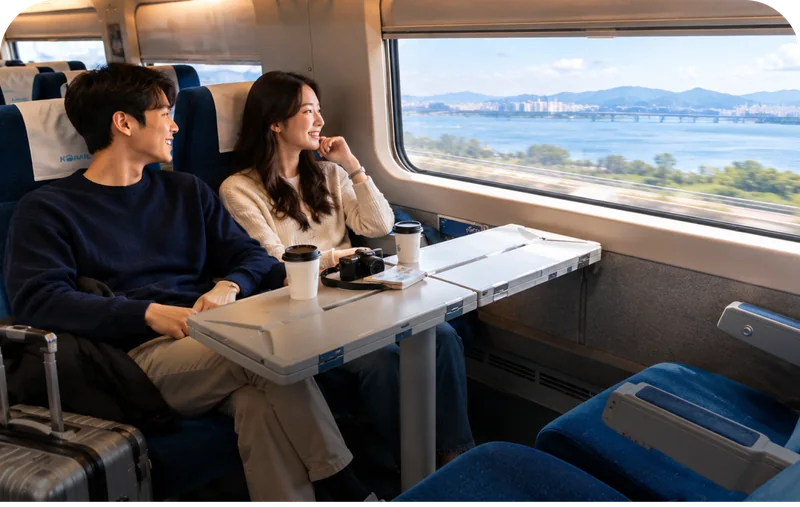
Comfortable reclining seats, power outlets, and overhead luggage space
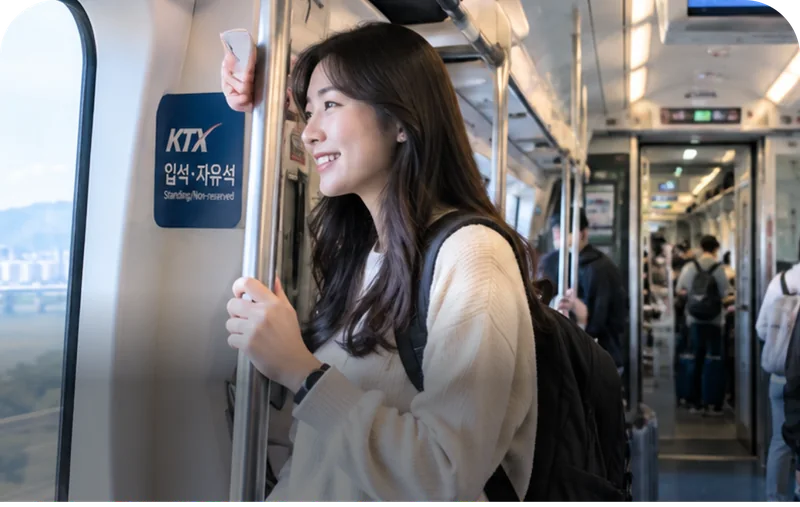
Available on some departures at a lower price, no assigned seat
SRT (Super Rapid Train)
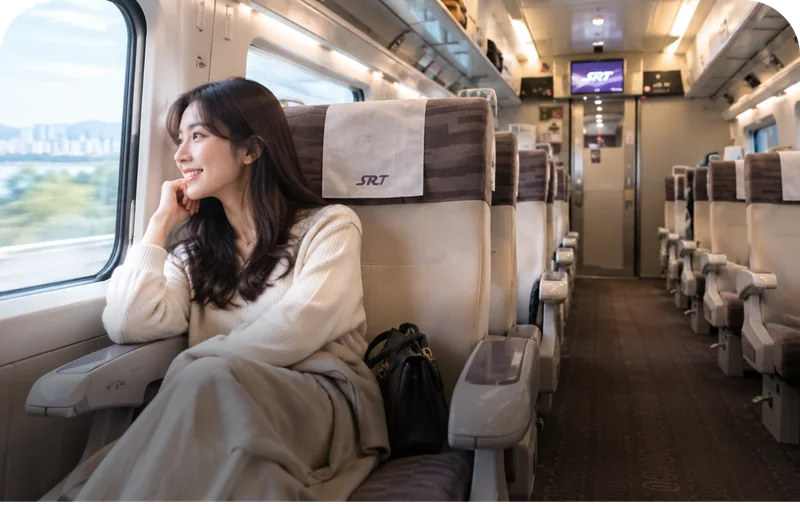
Spacious leather seating with extra legroom, ideal for business travelers

Reclining seats with power outlets and Wi-Fi, similar comfort to KTX standard

Budget option on selected trains, seating not guaranteed
Regular Trains (ITX-Saemaul & Mugunghwa)
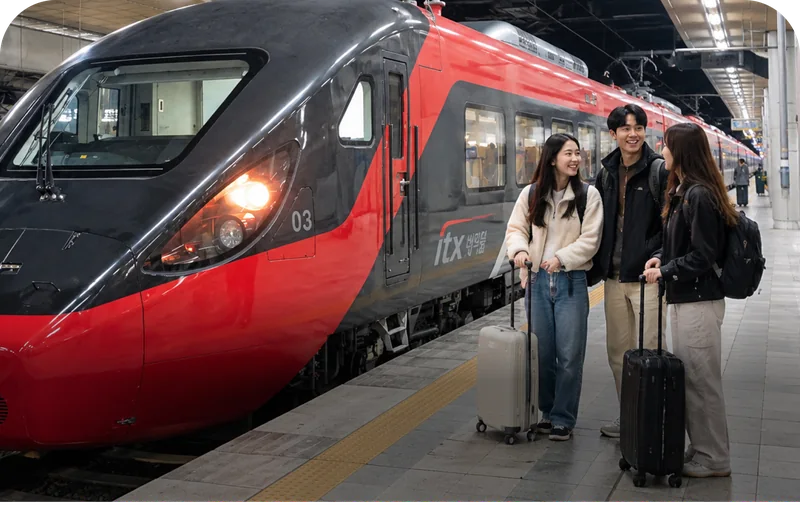
Single class, upgraded seating with more legroom than Mugunghwa, still budget-friendly compared to high-speed rail
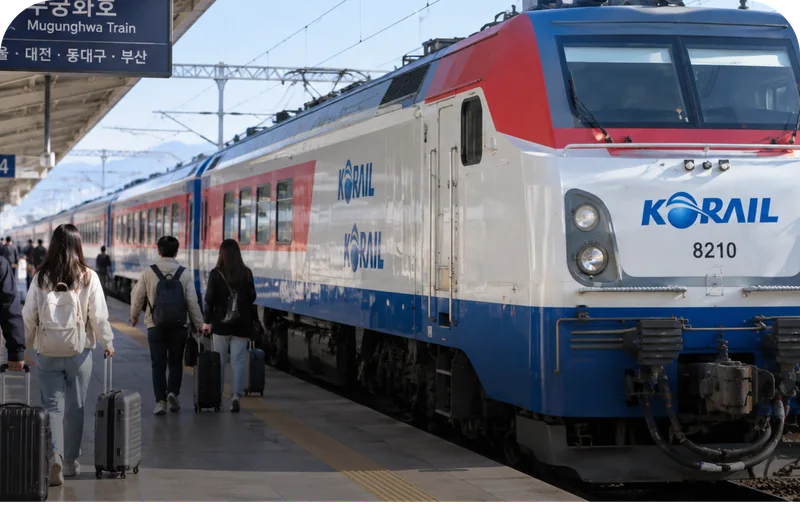
Standard class only, basic reclining seats, most affordable option, longer travel time due to more stops
| Train | Class | Key Features | Best For |
|---|---|---|---|
| KTX | First Class | Wider seats, extra legroom, quiet cabin, select amenities | Max comfort |
| KTX | Standard Class | Reclining seats, power outlets, overhead luggage space | Most popular |
| KTX | Non-reserved | Lower price, no assigned seat, limited departures | Budget |
| SRT | First Class | Spacious leather seating, extra legroom | Business travel |
| SRT | Standard Class | Reclining seats, power outlets, Wi-Fi | Most popular |
| SRT | Non-reserved | Budget option, seating not guaranteed | Budget |
| ITX-Saemaul | Single Class | Upgraded seating, more legroom than Mugunghwa | Value + comfort |
| Mugunghwa | Standard Class | Basic reclining seats, most affordable, more stops | Lowest cost |
Once you arrive at Busan Station, the city offers plenty to explore. Here are some top activities to add to your travel plans:

Busan's most famous beach, perfect for relaxing after your train journey or trying water sports in summer.

Colorful hillside village with murals, cafés, and photo spots, often called the "Machu Picchu of Busan."

South Korea's largest seafood market, great for fresh sashimi and local street food.

A peaceful mountain temple offering a break from the city, popular with travelers exploring beyond the beaches.
Book tickets in advance, especially for peak travel dates.
Arrive at the station early to locate your platform and boarding gate.
Consider SRT from Suseo Station if it's more convenient to your starting point in Seoul.
Compare ticket prices across KTX, SRT, and regular trains before finalizing your plans.
Pack light if you're traveling without checked luggage storage, since onboard space is limited.
The fastest non-stop KTX trains cover the 417 km between Seoul and Busan in as little as 2 hours 10 minutes. Most KTX and SRT departures take 2 hours 15 minutes to 3 hours depending on stops. Regular trains (ITX-Saemaul and Mugunghwa) take longer, from about 4 hours up to 5 hours 52 minutes.
KTX standard class tickets typically range from about $34 to $79 depending on the exact train, class, and how far ahead you book, with discounted fares sometimes starting near $19. First class costs more but includes extra legroom and quieter cabins. Prices are set in Korean won and vary with the exchange rate.
KTX and SRT are both high-speed trains covering the same Gyeongbu Line corridor at similar speeds and comfort levels. KTX is operated by Korail and departs mainly from Seoul Station or Yongsan Station. SRT is operated by SR Corporation and departs from Suseo Station in southeastern Seoul. SRT fares are sometimes slightly lower than KTX.
For the best rates and seat availability, book KTX or SRT tickets online up to one year in advance. Same-day tickets are limited for popular departures, especially on weekends and around Korean holidays like Seollal and Chuseok, so booking ahead is strongly recommended.
On the Seoul–Busan route, the earliest KTX departures leave around 05:13 and the latest depart around 22:40, with more than 69 KTX departures connecting the two cities every day.
Intercity express buses between Seoul and Busan are usually cheaper than KTX or SRT, but the trip takes roughly 4 to 4.5 hours compared to as little as 2 hours 10 minutes by high-speed train. For most travelers, the time saved on the train is worth the extra cost.
KTX trains depart mainly from Seoul Station, the main hub, with some services from Yongsan Station. SRT trains depart from Suseo Station in southeastern Seoul, near Gangnam. Choose whichever station is more convenient to reach from where you're staying.
Yes. KTX and SRT trains offer power outlets at most seats, Wi-Fi access throughout the journey, reclining seats, and vending machines or luggage storage on select trains.
Yes. Most KTX and SRT services run non-stop or with only a few intermediate stops. Regular trains such as ITX-Saemaul and Mugunghwa make more stops along the way, which is why they take longer.
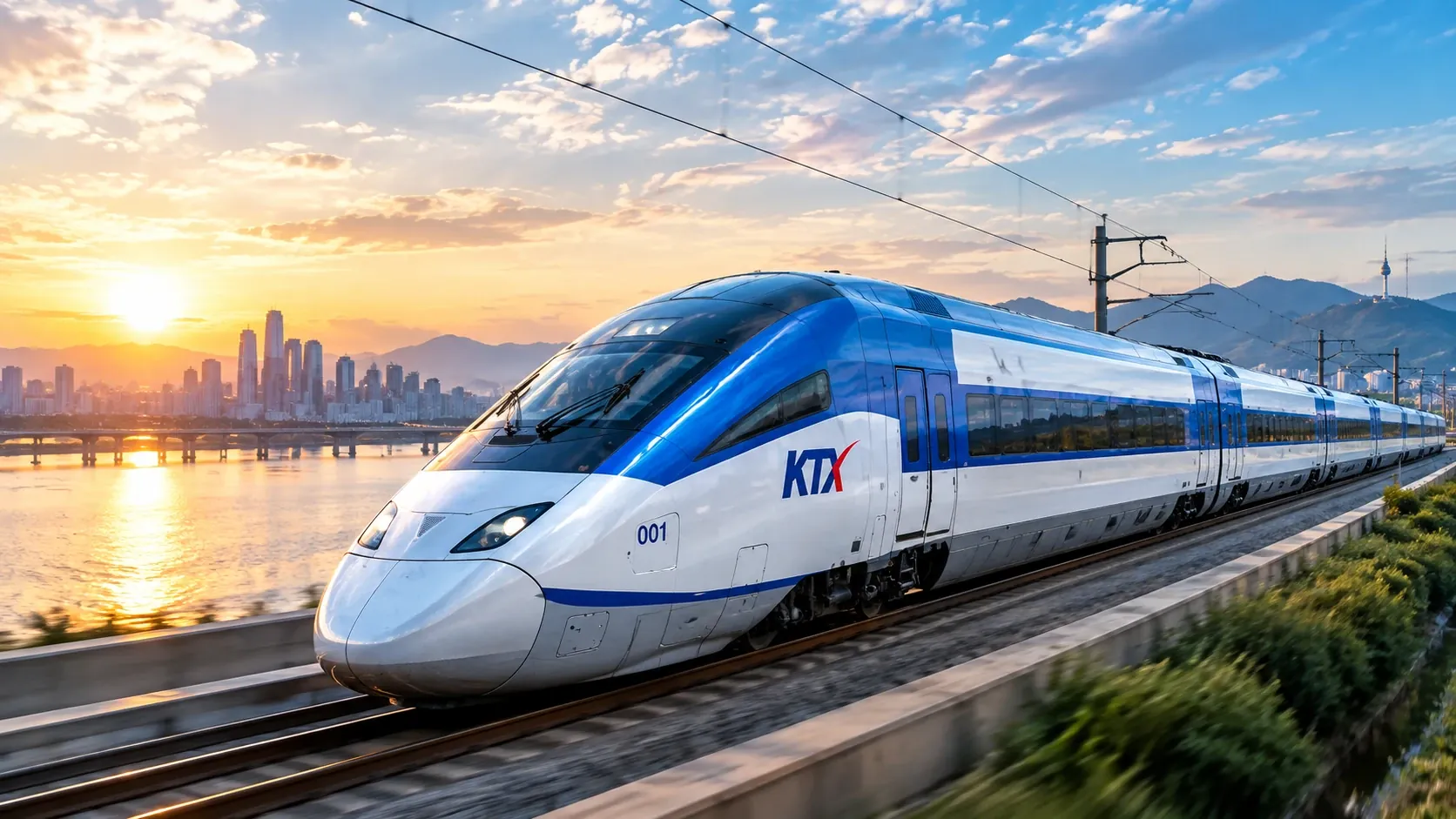
Whether you choose the fastest KTX trip, a scenic SRT ride, or a slower regular train, traveling between Seoul and Busan is one of the easiest ways to explore two of South Korea's most exciting cities. Book your tickets early, choose the route that matches your schedule, and get ready for your next adventure across the country.
Book Tickets